
Will AI replace VFX artists?
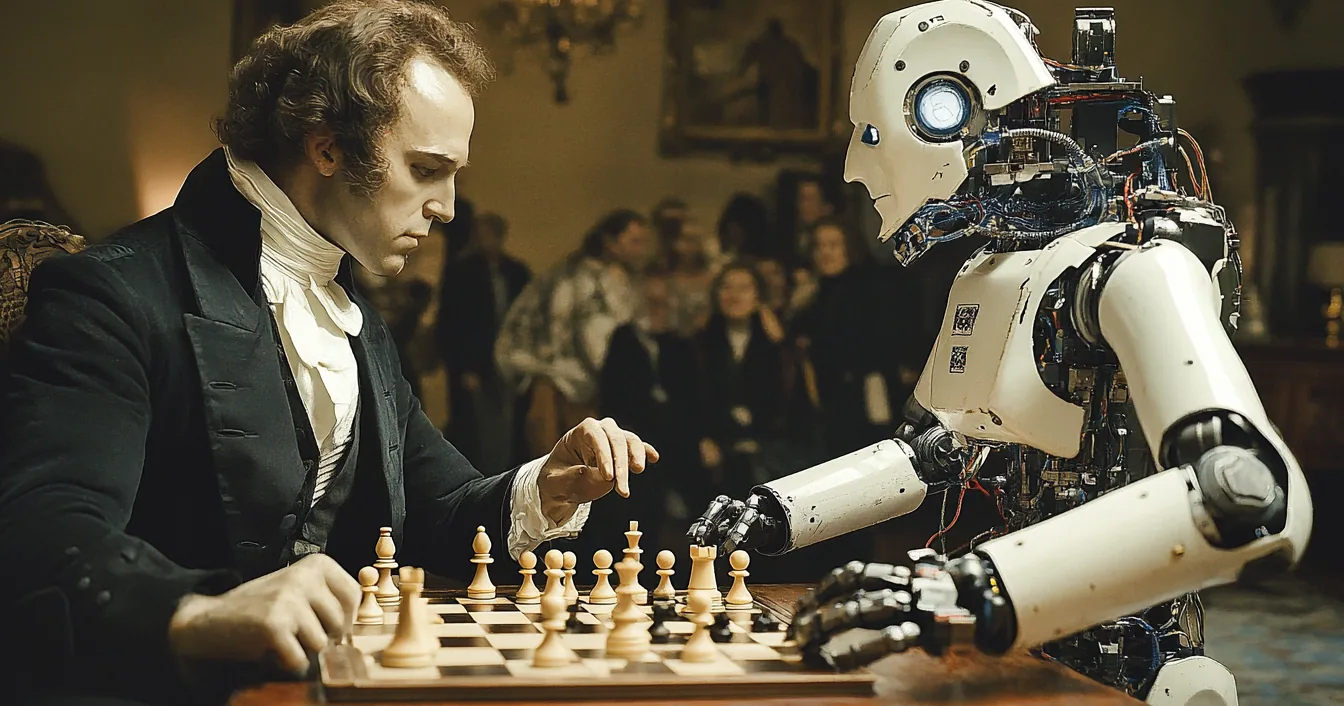
Artificial intelligence (AI) is rapidly transforming the field of visual effects (VFX), but it is not completely replacing human artists. Here is a summary of the impacts and outlook:
The limits of AI in VFX
Irreplaceable human creativity: AI excels at automating repetitive tasks, such as rotoscoping or object tracking, but it lacks the creativity and artistic sensitivity needed to meet the complex and subjective demands of projects.
Dependence on humans: AI tools still require human supervision to produce coherent and aesthetically pleasing results. For example, artists have to adjust AI-generated renders to match the creative intent.
The benefits of AI for VFX artists
- Automating repetitive tasks: AI makes it possible to save time on tedious processes, such as crowd simulation or texturing, freeing artists to focus on more creative aspects.
- Greater accessibility: Small studios and independents can now produce high-quality visual effects thanks to affordable AI tools, democratising access to this technology.
- Creative stimulation: AI can quickly generate concepts or variations, giving artists an additional source of inspiration.
- Risks and concerns
Threat to jobs: Some technical roles, such as in-betweener or assistant animator, are particularly vulnerable to AI automation.
- Ethics and copyright: Controversies are emerging around the use of artists' data to train AI models without their consent, which raises legal and ethical questions.
- Artistic uniformity: AI-generated images can lack originality because existing styles are so often reused.
Looking ahead
The future of VFX seems to rest on collaboration between AI and human artists. AI is seen as a powerful tool that complements human skills rather than a complete substitute. By combining human creativity with the speed and efficiency of algorithms, the industry can push the boundaries of visual storytelling while maintaining strong demand for unique artistic talent.