
Kling 2.6 Turbo Now Available
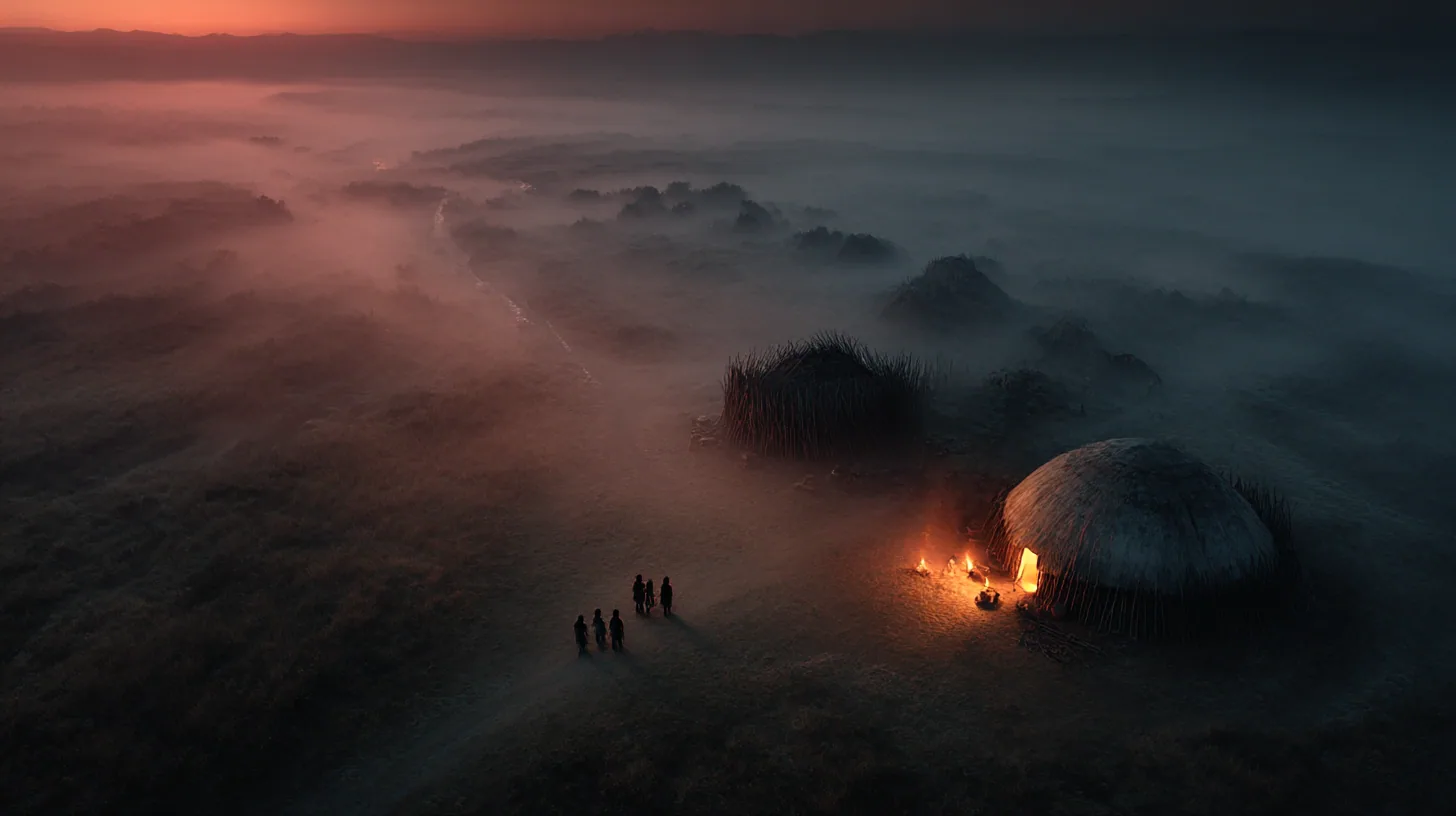
KlingAI Video 2.6 is revolutionising video generation
If you work in VFX and motion design, you know it: creating an engaging video never stops at the visuals. Audio post-production — finding a voice-over, mixing sound effects, adding ambience — is often a tedious process that slows the creative workflow down considerably.
Good news: KlingAI has just launched VIDEO 2.6, its new model that promises to put an end to AI-generated "silent films" by integrating audio natively.
The "Native Audio" revolution
The KlingAI VIDEO 2.6 model changes the game by generating all of your content in a single pass:
- The visuals (video).
- Voice-overs and dialogue (with a natural tone).
- Sound effects (matching the action).
- Atmospheric ambience (background music, environmental sounds).
It's the first time Kling has included a "Native Audio" feature, ensuring perfect rhythmic and emotional coordination between what you see and what you hear. No more mismatch between the picture and an audio track added by hand!
The benefits for creators
For creators looking to speed up content production, the 2.6 model is a real game changer. You can now control the audio, specify who is speaking and the emotion attached to it. You can also freely generate ambient sounds and special effects.
The model offers two highly efficient creation paths:
- Text-to-Audio-Visual: from a single sentence to a complete video with sound.
- Image-to-Audio-Visual: animate a still image and add sound to it in an instant.
Here is a summary table:
| Supported audio types | Examples |
|---|---|
| Dialogue / voice-over | Character voice-over, natural conversation between several people. |
| Singing | Characters singing specific lyrics. |
| Music style | You can specify a music style: rock / pop / blues / techno. |
| Object / action sounds | Breaking glass, footsteps, machine hum. |
| Ambience / SFX | Wind, waves, street noise, crowd. |
Several creative scenarios made simple
Thanks to this integration, KlingAI Video 2.6 opens the door to complex types of content, handled automatically:
- Solo monologue: a character speaks to camera with lip sync and natural emotion (perfect for vlogs or product presentations).
- Off-screen narration: a voice explains or comments on the visuals (ideal for documentaries or e-commerce videos).
- Multi-character dialogue: smooth interaction with natural changes of tone between speakers (for interviews or sketches).
The era of AI video where audio was an extra chore is over. KlingAI Video 2.6 merges picture and sound, offering a complete, fast solution for every content creator.
Dialogue with several characters
Two examples:
Visual: A modern industrial-style recording studio with brick walls covered in soundproof panels, equipment neatly arranged.
Dialog: [Caucasian male host] sits in front of the microphone, slightly leaning forward. [Caucasian male host, steady voice] says: "Today we're excited to have Dr. Sarah Miller from Stanford AI Lab. Sarah, your research on neural networks is groundbreaking." During this, [African-American female guest] remains silent. Immediately, [African-American female guest] raises her chin slightly, holding the microphone. [African-American female guest, gentle voice] says: "Thank you for having me." During this, [Caucasian male host] remains silent.
A modern podcast studio in Los Angeles, with a warm yellow filter wrapping around a beige fabric sofa. [Caucasian female host] looks at the camera, her fingers gently resting on the armrest of the sofa. [Caucasian female host, sweet voice] says: "The Santorini sunset in Greece is absolutely breathtaking! Highly recommend adding it to your bucket list." During this, [African-American male host] remains silent. Immediately, [African-American male host] nods slightly. [African-American male host, gentle voice] says: "Exactly, that's the perfect spot to unwind and escape the daily grind." During this, [Caucasian female host] remains silent. The camera focuses on the interaction between the Caucasian female host and the African-American male host.
How to write a good prompt
When using the "VIDEO 2.6" model, just write: [the scene you want to see] + [the action that happens] + [the sound you want to hear] to generate high-quality audio-visual videos. You can rely on the following formula:
Prompt Format = Scene (Scene Description) + Element (Subject Description) + Movement (Movement Description) + Audio (Dialogue / Singing / Sound Effects / Pure Music) + Other (Style / Emotion / Camera)
- Dialogue: "Sentence" + Emotion + Speech Speed + Tone + Character Label
- Single Character: Specify voice attributes (e.g., [Man speaking], "Sentence" + Deep + Fast).
- Multiple Characters: Use clear labels to distinguish (e.g., [Character A, angrily] says, "Sentence" [Character B, calmly] replies, "Sentence").
- Singing: "Lyrics" + Singing Style + Accompaniment Description + Emotion
- Style: Pop, Opera, Country, etc.
- Emotion/Techniques: High-pitched, Vibrato, Gentle singing.
- Rap: "Sentence (Rhyming)" + Rhythm Style + Emotion
- Rhythm Style: Intense Boom Bap, Trap Style Beat, Fast Flow.
- Content: "Sentence" should reflect Rhyme and Meter.
- Sound Effects: Sound Source (Action/Object) + State + Professional Sound Effects
- Structure: [Object: Wooden Door] suddenly [Action: Slams] + [Sound Effect: Bang].
- Material/State: Glass Breaking, Metal Impact, Screeching Brakes.
- Ambient Sound: Scene + Sound Elements + Spatial Reverb
- Elements: Rain, Insects, Crowd Murmurs, Traffic.
- Spatial Feel: Echo in an Open Hall (Reverb), Small Room Acoustics.
- Pure Music: Instrument Type + Music Genre + Emotion
- Structure: Piano Performance + Jazz + Melancholy.
- Genres: Classical, Rock, Electronic.
Prompt: The lead black singer leans forward with emotional intensity as his bandmates create a jazz soul music band, drumsticks flashing across snares and guitar strings vibrating visibly. The camera pushes in smoothly from stage left, highlighting individual performers before widening to reveal the full group bathed in golden light against crimson drapery. Singing style soul music 60s rhythm and blues American black music style. The lead singer says: "Oh baby baby baby, don't leave me now"